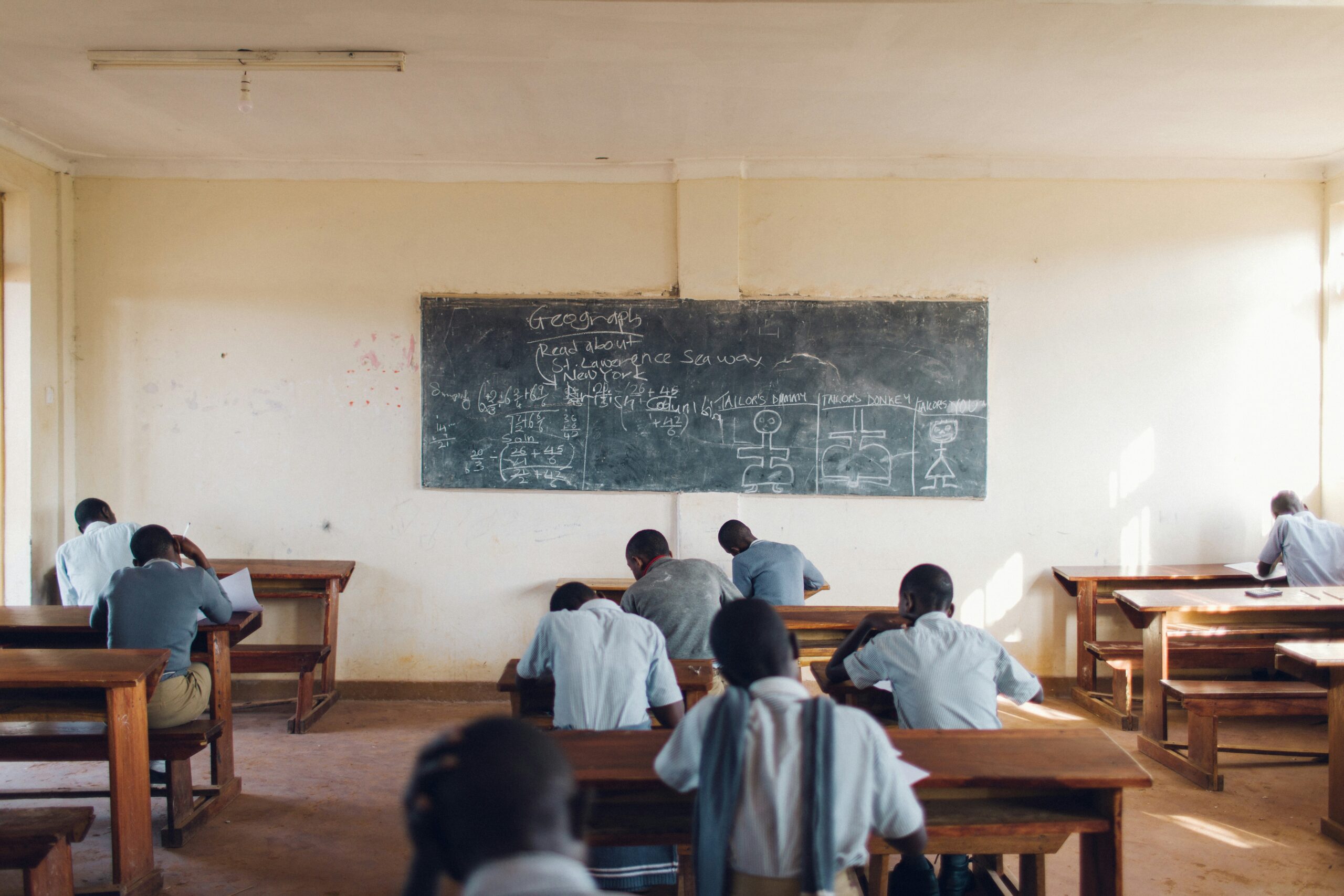
Public education shapes the future of every community. It prepares young people to become productive members of society. But too often, schools struggle with outdated tools, low funding, and a disconnect from the modern workplace. The private sector can play a key role in changing that.
When businesses engage with public schools, they bring resources, ideas, and energy. Their involvement is not about taking over education. It’s about supporting it in meaningful and sustainable ways. With the right partnerships, the private sector can help schools become stronger, smarter, and better equipped for the future.
Connecting Learning With Real-World Skills
Public schools often follow traditional teaching models. Students may spend years learning subjects without seeing how they apply in life. This disconnect can lead to low motivation and missed opportunities. The private sector can bridge that gap by helping schools link education to real jobs and skills.
Businesses know what the job market looks like. They understand what skills are in demand and how industries are changing. When they share that knowledge with educators, it helps shape more practical and useful learning. Students benefit when their lessons prepare them for the paths they may choose after graduation.
Providing Resources Where They’re Needed Most
Public schools do their best with what they have, but many lack the tools students need to thrive. Outdated textbooks, broken computers, and overcrowded classrooms are common in underfunded districts. Private companies can step in to help fill those gaps.
Whether through donations, partnerships, or long-term investments, businesses can supply schools with updated technology, school supplies, and improved facilities. These contributions provide students with better learning environments. They also show that communities value public education and that the private sector is willing to invest in the next generation.
Supporting Teachers and Their Growth
Teachers are at the heart of every classroom. Their work shapes the future, yet they often lack access to professional development and modern teaching tools. The private sector can support teachers by offering training programs, resources, and real-world learning experiences.
When companies partner with schools to provide workshops or mentorship, teachers gain fresh perspectives. They learn about industry trends and new methods for teaching core skills. This support helps them grow professionally and stay motivated. Strong teachers lead to better student outcomes, and businesses can be part of that success.
Promoting Innovation in the Classroom
Innovation drives progress in every industry. Schools should be no different. But education systems can be slow to change due to limited budgets and rigid policies. Businesses can help schools become more innovative by introducing fresh ideas and technologies.
From educational software to creative teaching methods, the private sector can provide tools that make learning more engaging and effective. By working together, schools and companies can explore new approaches to help students think critically, solve problems, and embrace challenges. Innovation doesn’t mean replacing teachers; it means giving them better tools to do their work.
Creating Mentorship and Career Pathways
Young people often finish school without a clear direction. They may not know what careers are out there or how to reach their goals. The private sector can help by creating programs that introduce students to different jobs, industries, and career paths.
When professionals visit classrooms, offer job shadowing, or host interns, students gain real insight into the world of work. These experiences build confidence and help students set realistic goals. Businesses benefit too. They connect with future workers and help shape a talent pool ready for modern challenges.
Helping Close the Opportunity Gap
Not all students have the same opportunities. Factors like income, location, and school funding can affect access to quality education. The private sector can help address these inequalities by supporting schools in low-income areas or funding programs for underserved students.
This support might include scholarships, free technology, or community-based learning centers. When businesses focus on equity, they create more chances for all students to succeed. It’s not just about fairness. A more inclusive education system helps build a diverse and skilled workforce for the future.
Encouraging Lifelong Learning
Learning doesn’t stop at graduation. The world changes fast, and workers need to adapt. The private sector knows this better than anyone. That’s why businesses can support schools in preparing students to be lifelong learners.
By promoting skills like adaptability, communication, and digital fluency, companies help schools move beyond traditional teaching. They can also sponsor continuing education programs, helping students and adults keep learning throughout their lives. This prepares people not just for their first job, but for a lifetime of growth and change.
Building Stronger Communities Together
Schools are the heart of many communities. When they succeed, the whole neighborhood benefits. The private sector can strengthen this connection by engaging not only with schools but with parents, local groups, and civic leaders.
Through events, sponsorships, and volunteer work, businesses can become trusted partners in education. This builds goodwill and creates a sense of shared purpose. When everyone works together, schools, companies, families, and communities, students have the best chance to thrive.
Encouraging Accountability and Results
In the business world, results matter. Companies are used to tracking outcomes and measuring success. They can bring this mindset into education by supporting schools in setting goals, monitoring progress, and making data-driven decisions.
This doesn’t mean turning schools into businesses. It means giving educators tools to assess what works and what doesn’t. When companies and schools work together with transparency and shared goals, they can improve outcomes and make the most of every resource.
The private sector plays an important role in improving public education. Its involvement can spark innovation, provide resources, and connect learning to the real world. Most importantly, it can support students and teachers in ways that make a lasting difference.