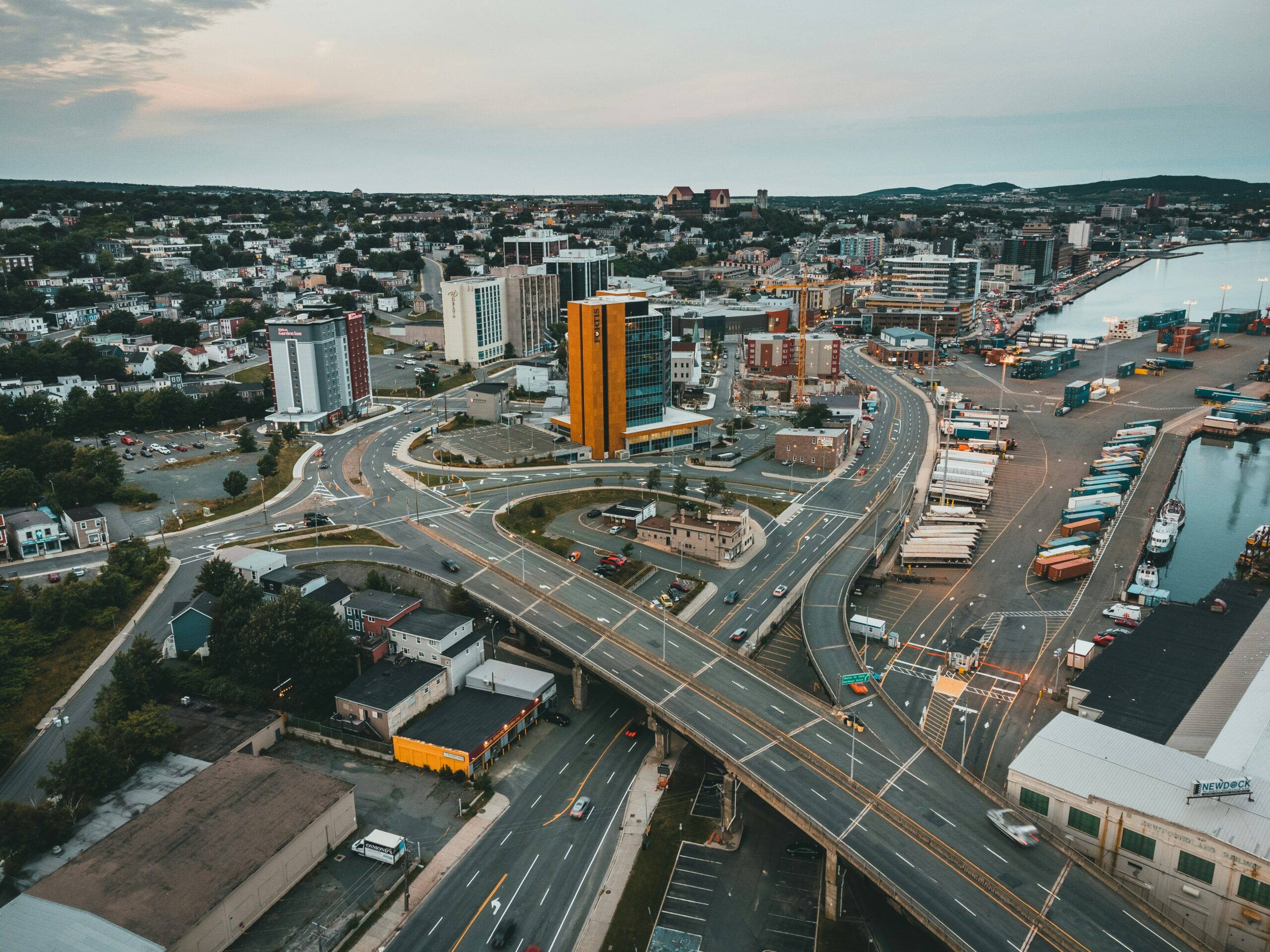
Economic growth does not happen by chance. It takes clear direction, steady action, and strong local leadership. While national policies shape the broader economy, real change often begins at the local level. Mayors, city council members, county officials, and community leaders shape the conditions that allow businesses to grow and families to thrive.
Local leaders understand their communities better than anyone else. They know the strengths of the workforce, the needs of small businesses, and the challenges that slow progress. When they act with purpose and vision, they can transform struggling areas into growing regional economies.
Setting a Clear Vision for Growth
Strong local leaders begin with a clear vision. They define what economic success looks like for their region. Some focus on attracting new industries. Others invest in tourism, agriculture, manufacturing, or technology. The key is clarity.
A clear vision builds confidence. Business owners want to know where a region is headed. Investors look for stable and focused leadership. When local officials communicate long-term goals, they reduce uncertainty. This helps companies make decisions about expansion, hiring, and investment.
Vision alone is not enough. Leaders must also turn ideas into plans. They work with community members, educators, and business owners to create practical steps. These plans guide public spending and policy choices. Over time, consistent direction builds momentum.
Investing in Infrastructure That Supports Business
Infrastructure plays a major role in economic development. Roads, bridges, public transit, water systems, and internet access all affect how businesses operate. If transportation is unreliable or broadband is slow, companies look elsewhere.
Local leaders decide where to invest public funds. They approve road repairs, expand transit lines, and upgrade utilities. These projects create short-term jobs. They also lower businesses’ long-term costs.
Reliable infrastructure attracts employers. A manufacturing company needs good roads to move goods. A technology firm needs fast internet. When leaders invest wisely, they make their region more competitive. Strong infrastructure sends a clear message that the community is ready for growth.
Supporting Small Businesses and Entrepreneurs
Small businesses drive local economies. They create jobs, offer services, and keep money circulating within the community. Local leaders who support small businesses strengthen the entire region.
Entrepreneurs need encouragement and access to resources. When local officials make it easier to start and grow a business, more people take the risk. Over time, a strong base of small firms builds resilience. If one company struggles, others continue to grow. This balance protects the regional economy.
Building a Skilled Workforce
Businesses depend on skilled workers. Without the right talent, companies cannot expand. Local leaders play a key role in workforce development.
They partner with schools, colleges, and training centers. Together, they design programs that match real job openings. If local manufacturers need welders or machine operators, training programs can focus on those skills. If hospitals need nurses, leaders can support healthcare education.
Leaders also invest in job placement and career counseling. They help workers connect with employers. They support retraining programs for people who lose jobs due to industry changes. When workers gain new skills, they increase their earning power. Higher incomes lead to more spending, which strengthens local businesses.
A skilled workforce attracts outside investment. Companies prefer regions where they can hire qualified employees without delay. Strong workforce programs make that possible.
Creating a Business-Friendly Environment
Local policies shape the business climate. Leaders control zoning rules, permit processes, and local taxes. These decisions affect how easy it is to build, expand, and operate.
Clear and fair rules build trust. When businesses know what to expect, they can plan with confidence. Long delays or unclear requirements discourage investment. Leaders who streamline processes help projects move forward faster.
At the same time, leaders must balance growth with community needs. They protect neighborhoods, manage traffic, and ensure environmental standards. Smart planning allows growth without sacrificing quality of life.
A business-friendly environment does not mean weak oversight. It means consistent and transparent policies. When leaders communicate openly and act fairly, they build strong relationships with the private sector.
Encouraging Collaboration Across Sectors
Regional development requires teamwork. Local leaders bring together business owners, nonprofit groups, educators, and residents. They create spaces for discussion and shared planning.
Collaboration reduces duplication. Instead of working alone, groups can align their efforts. A college may expand a training program while a local company offers internships. A nonprofit may provide support services that help workers stay employed.
Leaders also collaborate with neighboring cities and counties. Regional economies often cross city boundaries. Joint transportation projects or shared industrial parks can benefit multiple communities simultaneously. Cooperation increases impact and stretches limited resources further.
When leaders build strong networks, they create trust. Trust makes it easier to solve problems and respond to change.
Attracting and Retaining Investment
Local leaders often promote their regions to outside investors. They attend conferences, meet with company executives, and highlight local strengths. They share data about workforce skills, infrastructure, and market access.
Attraction efforts work best when backed by real advantages. Leaders cannot rely solely on incentives. Companies look for stable governance, reliable services, and a skilled workforce. When these elements are in place, incentives become a bonus rather than the main draw.
Retention is just as important as attraction. Leaders must stay in touch with existing businesses. Regular meetings help identify concerns early. If a company faces supply chain issues or workforce shortages, local officials can respond with targeted support.
Strong relationships reduce the risk of sudden relocations. Keeping current employers satisfied protects jobs and tax revenue.
Improving Quality of Life
Economic development and quality of life go hand in hand. Talented workers choose to live in places that feel safe, vibrant, and welcoming. Businesses follow the talent.
Local leaders influence quality of life through public safety, parks, housing, and cultural programs. Clean streets, reliable public services, and active community spaces make a region attractive. Families want good schools and safe neighborhoods. Young professionals look for entertainment and social opportunities.
Investment in quality of life supports long-term growth. When residents feel proud of their community, they are more likely to stay and invest locally. This stability strengthens the regional economy.
Leading Through Change and Uncertainty
Economic conditions change quickly. Industries rise and fall. Technology reshapes jobs. Natural disasters and global events can disrupt local markets. Strong local leaders prepare for these shifts.
Adaptability is a key trait of effective leadership. Leaders who listen to data and community feedback can adjust policies as needed. This flexibility helps regions recover faster and continue growing.
The Long-Term Impact of Local Leadership
Regional economic development is not a one-year project. It takes patience and consistent effort. Local leaders who stay focused on long-term goals create lasting change. They create trust between the government and business. Over time, these efforts compound.
When local leaders act with clarity, integrity, and commitment, they drive regional economic development in powerful ways. Their choices shape opportunities for businesses, workers, and families. In the end, the strength of a regional economy reflects the strength of its local leadership.