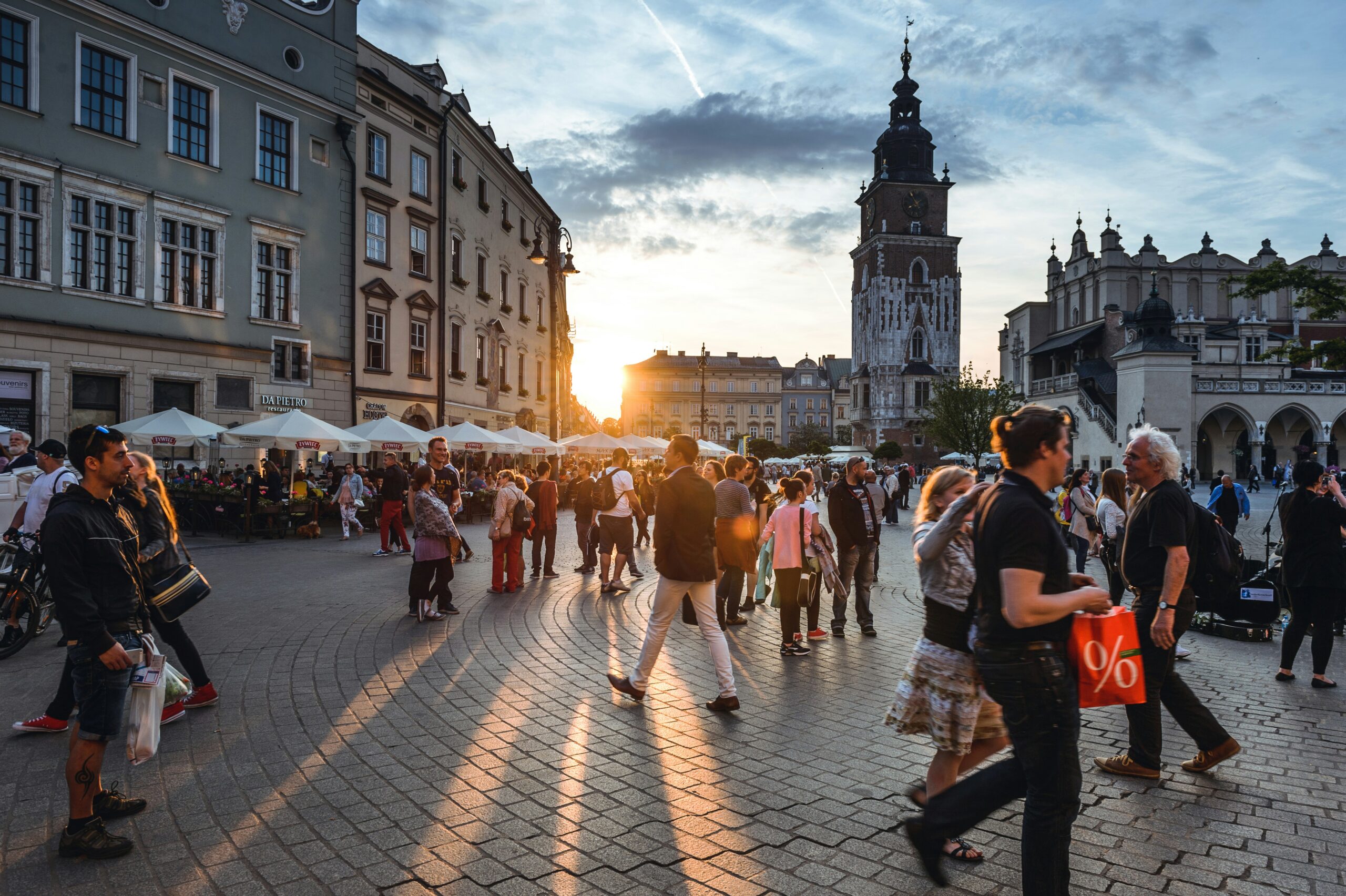
Tourism development plays a powerful role in shaping local prosperity by stimulating spending, attracting creating diverse employment, and long-term investment opportunities across multiple industries. When visitors arrive in a destination, they spend money on hotels, restaurants, transportation, entertainment, and local products. As a result, revenue circulates through the community, supporting both small businesses and large enterprises.
This steady flow of spending strengthens the local economy and increases overall income levels. In addition, tourism development encourages infrastructure improvement. Governments and private investors often upgrade roads, airports, public spaces, and digital services to meet visitor demand. These improvements not only enhance the travel experience but also raise the quality of life for residents.
The Economic Power of Tourism Development
Tourism development drives regional economic growth by bringing new money into local communities. Visitors spend on lodging, dining, entertainment, and transportation, and this circulation of funds helps local businesses thrive. As more travelers arrive, demand increases, and regions experience steady financial gains that support long-term economic stability. Many areas have adopted tourism as a core pillar of their growth strategy because it delivers measurable, rapid economic benefits.
Local governments often invest in tourism development to expand infrastructure and improve public services. When regions create better transportation networks, parks, and cultural sites, residents also enjoy a higher quality of life. These improvements attract more entrepreneurs and investors who want to operate in vibrant, well-developed markets. As a result, tourism becomes a catalyst for broader regional growth that extends beyond visitor spending.
Tourism Development and Job Creation
Tourism development creates a wide range of jobs that support both skilled and entry-level workers. Hospitality, retail, transportation, and entertainment industries all expand as visitor numbers rise. Because these sectors require human interaction and personalized service, they provide consistent employment opportunities. Many communities rely on tourism to stabilize their labor markets and support new training programs for workers seeking upward mobility.
Regions also benefit from indirect jobs created through tourism development. As visitor demand increases, suppliers, farmers, and construction companies gain new clients. This ripple effect builds stronger local economies that depend on diverse industries rather than a single revenue source. With more pathways to employment, communities experience greater economic resilience and lower unemployment rates.
Investment Growth Fueled by Tourism Development
A strong tourism development strategy attracts private investors who seek profitable opportunities in emerging destinations. New hotels, restaurants, attractions, and entertainment venues often appear soon after visitor demand grows. Investors recognize the long-term value of regions with appealing natural or cultural resources, and they help expand local economies by providing capital that supports both local businesses and large enterprises.
Public investment typically follows private investment in regions that prioritize tourism development. Cities and towns allocate funds to improve roads, airports, and community spaces because these upgrades increase tourism revenue. As infrastructure improves, the region becomes more attractive to residents and investors alike. This cycle of development encourages sustainable growth that benefits multiple generations.
Tourism Development and Local Entrepreneurship
Tourism development encourages entrepreneurship by giving residents more chances to launch businesses that cater to visitors. Local artisans, tour guides, restaurateurs, and service providers gain access to new markets created by steady traveler demand. These locally owned businesses add cultural richness to destinations and help keep tourism revenue within the community.
Entrepreneurs also innovate as they respond to changing traveler expectations. Regions with strong tourism development often see the emergence of new digital services, eco-friendly experiences, and niche travel products. These innovations diversify the market and help destinations remain competitive in a fast-evolving global tourism landscape. With every new business, the region strengthens its identity and economic potential.
Strengthening Infrastructure Through Tourism Development
Tourism development encourages communities to upgrade essential infrastructure, as visitors expect accessible, well-maintained spaces. Roads, airports, public transport, and recreation areas improve as tourism grows. These improvements not only support visitors but also enhance residents’ everyday lives by ensuring safe and efficient public services.
Infrastructure enhancements also create long-term economic benefits by making the region more attractive to new industries. When companies see that a region invests in modern facilities and vibrant public spaces, they become more likely to relocate or expand there. This expanded economic activity reinforces the positive cycle created by tourism development and supports sustainable regional growth.
Community Identity and Cultural Preservation
Tourism development helps communities preserve and celebrate their cultural heritage. Regions often restore historic sites, create museums, and support cultural festivals because travelers seek meaningful and authentic experiences. These efforts strengthen local identity and give communities a deeper sense of pride in their history, traditions, and artistic expressions.
When cultural preservation becomes part of tourism development, residents also gain economic benefits. Traditional crafts, cuisine, and performances attract visitors who spend money to experience local culture. These activities support artisans, performers, and small business owners who rely on tourism to maintain their livelihoods. As the cultural economy grows, communities protect heritage while achieving economic progress.
Sustainable Growth Through Tourism Development
Tourism development can support sustainable growth when regions prioritize environmental protection and responsible visitor management. Eco-tourism, conservation programs, and community-led initiatives help protect natural landscapes while creating new economic opportunities. Many travelers prefer destinations that value sustainability, so these practices strengthen market appeal and support long-term success.
Sustainable tourism development also reduces strain on local resources. When regions plan carefully, they balance economic growth with environmental preservation. This balance safeguards the region’s future while ensuring that residents and visitors enjoy clean, healthy, and well-managed surroundings. Responsible tourism development becomes a guiding principle that supports both economic and environmental resilience.