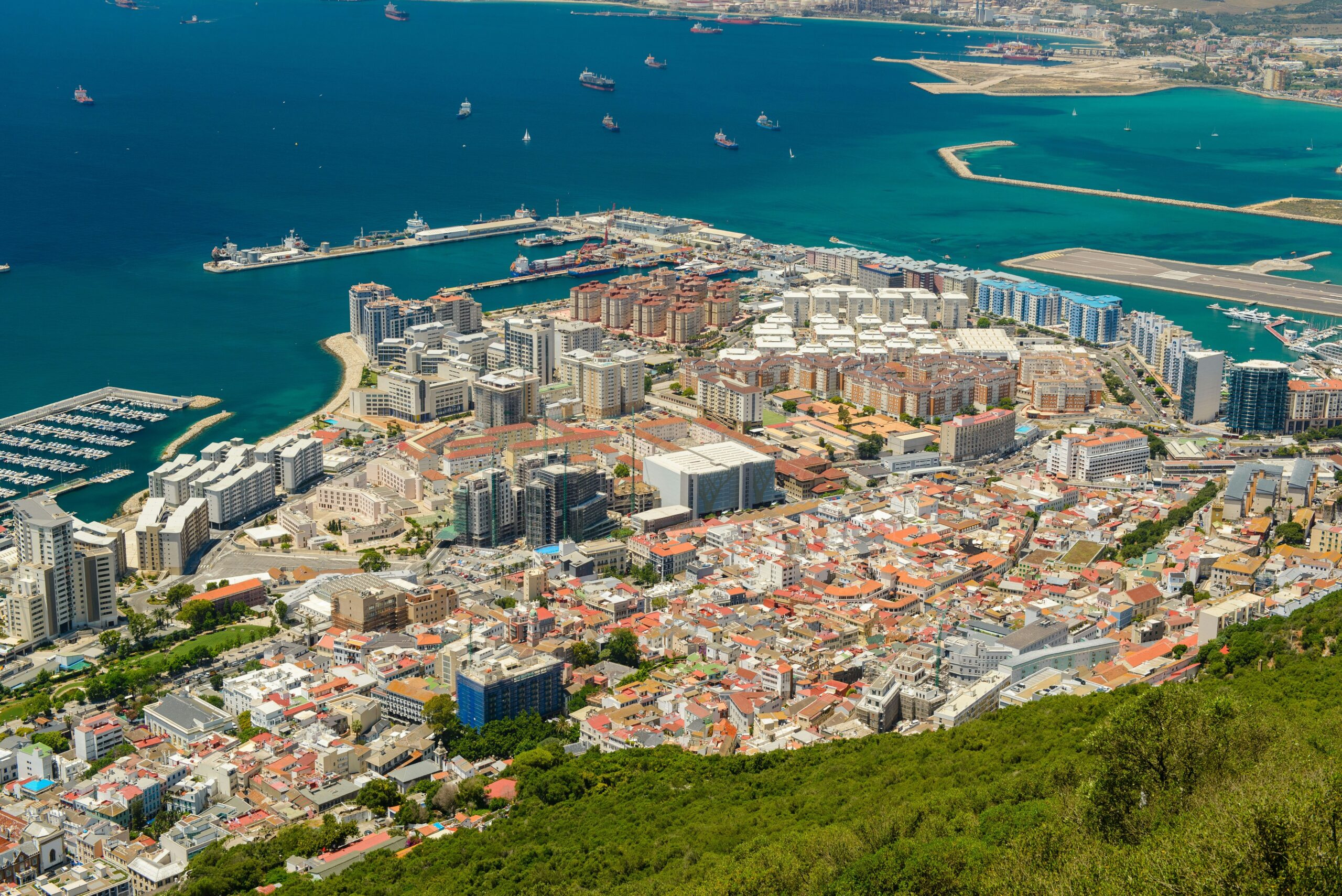
Tourism and economic development are closely linked in many parts of the world. When people travel, they spend money on hotels, food, tours, and local goods. This spending supports jobs and helps communities grow. From small towns to large cities, tourism and economic development shape the future of regions in powerful ways. A regional perspective helps us see how different areas use tourism to improve their local economies and raise living standards.
Understanding the Link Between Tourism and Economic Development
Tourism brings outside money into a region. Visitors pay for services that local residents provide. This creates income for workers and business owners. When local people earn more, they spend more in their own communities. This cycle supports economic growth.
Tourism and economic development work together because travel creates demand. That demand leads to new businesses, better services, and more job options. Hotels hire staff. Restaurants buy food from local farmers. Tour companies employ guides. Each job adds value to the regional economy.
Regional Strengths Shape Tourism Success
Every region has unique features. Some areas have beaches or mountains. Others have historic sites, festivals, or strong cultural traditions. A regional perspective shows that tourism and economic development depend on these local strengths.
Coastal regions often focus on beach tourism. Mountain regions attract hikers and skiers. Rural areas may offer farm tours or nature trips. Urban centers may highlight museums, food scenes, and events. When regions build tourism around what makes them special, they create stronger economic results.
Local leaders play a key role. They must study what visitors want and what the region can offer. Good planning ensures that tourism growth matches local needs.
Job Creation and Income Growth
One of the biggest benefits of tourism and economic development is job creation. Tourism supports both direct and indirect jobs. Direct jobs include hotel staff, tour guides, and drivers. Indirect jobs include farmers, builders, and shop owners who serve tourism businesses.
In many regions, tourism offers work to young people and women. It can also support small family businesses. This helps reduce poverty and raises household income. When more people earn stable wages, regional economies become stronger.
Income from tourism also increases tax revenue. Local governments can use this money to improve schools, health care, and public services. These improvements support long term economic development.
Infrastructure and Regional Investment
Tourism often leads to better infrastructure. Roads, airports, and public transport improve to meet visitor needs. Clean water systems and waste management services may also expand. These upgrades benefit both tourists and local residents.
Tourism and economic development encourage private investment as well. Investors build hotels, restaurants, and entertainment centers. New projects create construction jobs and long term employment.
Regions that plan wisely can use tourism to modernize their infrastructure. This helps them compete with other destinations and attract even more visitors.
Supporting Small and Medium Businesses
Small and medium businesses are vital for regional economies. Tourism gives these businesses a strong customer base. Local shops sell crafts and souvenirs. Farmers supply food to restaurants. Artists perform for visitors.
Tourism and economic development support entrepreneurship. When regions promote local products, they keep more money within the community. This strengthens the regional economy and builds pride among residents.
Training programs also help small businesses improve service quality. Better service leads to repeat visits and positive reviews. Over time, this creates steady economic growth.
Cultural Preservation and Community Identity
A regional perspective shows that tourism is not only about money. It also helps protect culture and traditions. Visitors often want authentic experiences. They seek local food, music, art, and history.
When tourism and economic development work together, communities have a reason to preserve their heritage. Cultural festivals and historic sites attract visitors. At the same time, they teach younger generations about their roots.
However, balance is important. Regions must protect their culture from over commercialization. Careful planning ensures that tourism growth does not harm local identity.
Environmental Responsibility and Sustainable Growth
Tourism can put pressure on natural resources. Beaches, forests, and parks may face pollution or overcrowding. A regional perspective highlights the need for sustainable practices.
Tourism and economic development must focus on long term health. Regions can set visitor limits, protect wildlife, and promote eco friendly travel. Green hotels and clean transport options reduce environmental impact.
Sustainable tourism supports steady economic development. When natural areas stay clean and attractive, visitors continue to come. This protects both the environment and the regional economy.
Regional Cooperation and Policy Planning
Strong policies guide successful tourism growth. Regional governments need clear plans that link tourism and economic development goals. They must study data, listen to community voices, and adjust strategies when needed.
Cooperation between regions also matters. Neighboring areas can create joint travel routes and shared marketing campaigns. This increases visitor stays and spreads income across wider areas.
Public and private partnerships are important. Governments can build infrastructure. Private companies can provide services and innovation. Together, they support balanced regional development.
The Future of Tourism and Economic Development
Tourism and economic development will continue to shape regional growth. Technology now allows regions to reach global audiences. Social media and online booking platforms make travel easier than ever.
Regions that focus on quality, sustainability, and community benefits will see stronger results. They must protect their environment, support local businesses, and invest in people.
A regional perspective reminds us that one strategy does not fit all. Each area has its own needs and strengths. When regions build tourism plans that match their identity, they create lasting economic progress.
Tourism and economic development are powerful tools. With careful planning and community support, they can improve income, create jobs, and build stronger regional economies for years to come.